
Top Benefits of Greens
, by Dr. Eric Snow
, by Dr. Eric Snow
Greens are a powerhouse of nutrients and offer numerous health benefits. They are an excellent source of vitamins A, B9 (folate), C, and K and minerals like iron and calcium. Greens also contain phytonutrients that have been linked to reducing the risk of chronic diseases like cancer and heart disease. Here are some of the top benefits of greens for health:
What exactly are leafy greens?
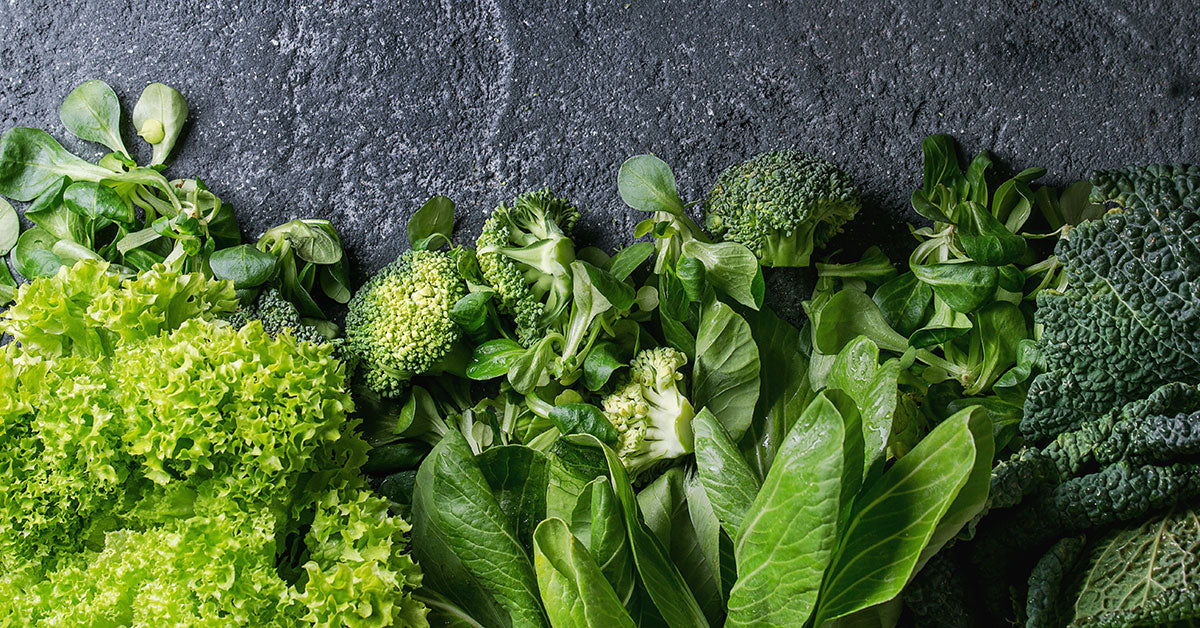
Green leafy vegetables include kale, spinach, collards, and Swiss chard. These veggies are packed with nutrients like vitamins A, C, and K and folate and fiber. They’re also low in calories, making them a great addition to any weight loss or healthful eating plan. Including green leafy vegetables in your diet may help to improve overall health, protect against certain chronic diseases, and promote healthy digestion.
When shopping for green leafy vegetables, always go with the darker greens. The depth of the color is a direct indicator of the quantity of antioxidants. Some of the best choices include:
The top benefits of greens include improved digestion, more nutrient absorption, and a boost in detoxification. Greens also help alkalize the body, improve circulation, and reduce inflammation. Additionally, they provide a host of vitamins and minerals essential for good health.
Eating greens will boost your intake of anti-inflammatory compounds. They can help promote healthy blood pressure and nerve function. Vegetables are good for the cardiovascular system because they contain more fiber and vitamin K.
Leafy greens are full of cancer-fighting compounds that protect healthy cells from being damaged. The USDA has stated that 2-3 servings of green leafy vegetables per week can help lower the risk of stomach, breast and skin cancer. The cancer-fighting action occurs as the folate in dark leafy greens prevents cancer by facilitating cell division and repairing cells.
Leafy greens contain the antioxidants lutein, zeaxanthin and beta-carotene, which prevent damage to the eyes. These protect vision by reducing oxidative damage and other vision problems such as macular degeneration.
Greens are a low-calorie and high in nutrient food that helps with weight management. As they are a low glycemic index food, you can eat many without adding a large calorie intake to get full. Their anti-inflammatory and antioxidant properties also make them ideal for those susceptible to type 2 diabetes.
Greens can help detoxification and liver health by providing essential enzymes that instigate production. These vegetables are healthy because they provide B vitamins and folate which keep you energized. They are also able to reduce constipation when consumed with a high-fiber diet.
Studies have found that the consumption of green leafy vegetables can help reduce cognitive decline by lowering the risk for diseases – including Alzheimer’s and Parkinson’s.
There are plenty of ways to add greens to your diet. As many green vegetables can be eaten both cooked and raw, this offers lots of options to include them in your diet. Here are a few ideas:
Risks and side effects
While green vegetables are generally health-promoting, they can contain harmful bacteria if not stored properly. To reduce the risk of eating contaminated produce, rinse all fresh vegetables under running water and check if they need to be washed. Always store pre-cut and packaged greens and salads in the refrigerator to avoid bacteria growth.
Final thoughts
Greens are an essential part of a healthy diet. They are packed with vitamins, minerals, and antioxidants that can improve your health in many ways. The best greens for you will depend on your individual needs and preferences but adding leafy greens to your diet is a great way to improve your overall health. Just be sure to watch out for the risks and side effects associated with eating greens, especially if you have any underlying medical conditions.


