
How to Test for Candida Overgrowth in the Gut?: Top 5 Candida FAQ
, by Sara McKinney
, by Sara McKinney
Interested in how to test for candida overgrowth in the gut? What about whether candida can cause bloating? What herbs kill candida? When you’re struggling with candida overgrowth, sometimes it may seem like all you have are questions.
Because candida overgrowth can arise from a variety of factors including lifestyle choices, chronic health conditions, and antibiotic use, restoring balance to a yeast-dominated microbiome often requires a highly personalized approach. In this article, we’ll explore the five most frequently asked questions about candida overgrowth.
What's in a candida overgrowth test? Whether you’re looking for a way to verify the source of your symptoms, or you want to monitor your levels after a candida cleanse, testing for candida overgrowth in the gut is an essential tool for diagnosing and ending candida overgrowth.
While the internet might tout at-home “solutions” like the viral spit test: a test where you, first thing in the morning, spit into a glass of water and watch for candida “strings” coming from the saliva, these are rarely backed by medical science.
However, there are accurate, medically-recognized diagnostic tests for candida in the gut. The two best methods for identifying candida overgrowth in the gut are stool tests and OAT (Organic Acid Testing) urine tests.
Stool tests can help: identify the exact strain and proliferation of Candida species in the gut, determine overall microbiome health (amount of healthy vs. unhealthy gut bacteria), and diagnose digestive health complications such as inflammation and immune activation. Stool tests are the best and most accurate option for monitoring candida levels in the GI tract, specifically.
OAT urine tests measure metabolic byproducts of candida overgrowth, primarily D-arabinitol and arabinose. While these tests are not specific to candida growth in the gut, they can help identify systemic candida overgrowth, other fungal growth, nutrient deficiencies, and mitochondrial function.
In addition to essential lifestyle changes like a low-sugar, low-carb diet, the right herbal supplements can help kill candida. When choosing herbs to kill candida overgrowth, it’s important to choose at least one herbal treatment that can penetrate candida biofilms.
Biofilms are protective structures used by bacteria, yeasts, and other microorganisms to help them anchor to surfaces and prevent damage from toxins, immune responses, or dehydration. Candida biofilms are one of the major reasons candida overgrowth can be so tricky to reign in. These sticky films allow candida populations to flourish and reproduce–while keeping out anti-fungals and anti-microbial treatments.
Oregano oil and oregano supplements are a great choice for busting through stubborn biofilms. Packed with biofilm-busting thymol and carvacrol, oregano succeeds where even first-line anti-fungals like fluconazole fail.
Alongside oregano, allicin-rich garlic is a powerful candida killer. Only slightly less effective than traditional anti-fungals in animal trials, garlic contains allicin, a sulfur-based compound that can puncture the walls of candida cells in high enough doses.
Struggling with bloating, diarrhea, or constipation? Candida overgrowth can cause digestive issues so severe that they often resemble IBS. Even worse: if you already have IBS, candida overgrowth can be a complicating factor.
Luckily, when it comes to candida-based digestive trouble, black walnut and wormwood supplements pack a one-two punch. Black walnut contains compounds which help stimulate healthy digestion, while the artemisinin in wormwood fights biofilm adhesion and kills candida.
Heavy alcohol use is one of the lifestyle factors which leads to candida overgrowth. Like sugar, candida yeast loves alcohol, so ingesting it while on an anti-candida diet is a bit like pouring gasoline on a fire you’re trying to extinguish. In general, it’s best to avoid it.
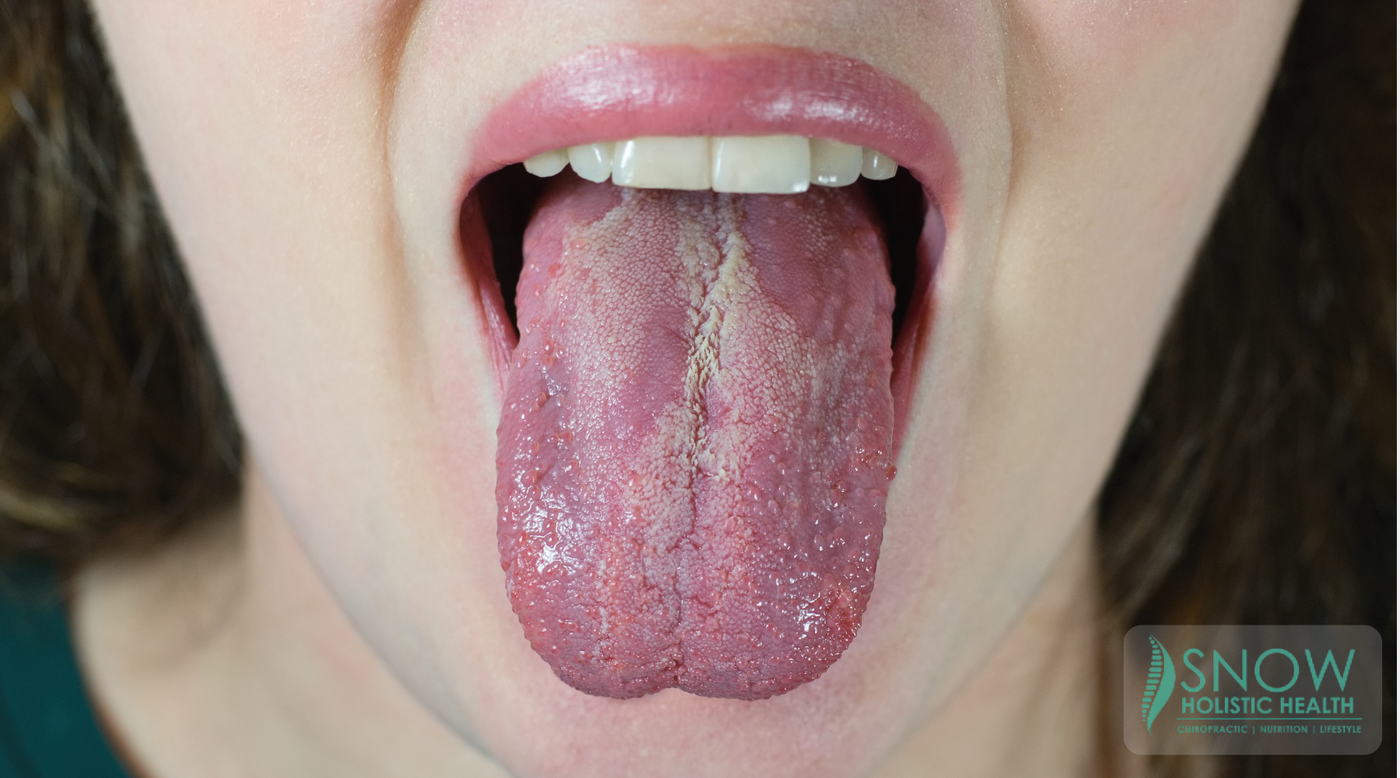
When it comes to candida and bad breath, the simple answer is yes. The more complex answer: where is the overgrowth happening? When it comes to candida overgrowth in the GI tract, bad breath (also known as halitosis) is less of an issue than rashes and digestion troubles. However, candida overgrowth in the mouth–called oral thrush–is often associated with bad breath.
Does candida cause bloating? Yes, bloating is one of the most common symptoms of candida overgrowth in the gut. Sometimes, this bloating is so severe, people even mistake it for weight gain. When candida yeast overgrows its niche in the gut’s microbiome, other beneficial microbes are outcompeted and die-off. The result? Without the right bacteria species, our bodies aren’t able to digest food properly, and our digestive health suffers. That includes symptoms like bloating and gas.
Additionally, candida emits a toxin, called candidalysin, that causes damage to intestinal cells. As a result, inflammation develops in the lining of the GI tract, leading to excess bloating and dysbiosis, also known as “leaky gut.”


